Shang-Chi and the Legend of the Ten Rings

Written by: Hans Thobie Sachio

But pasts like his don’t stay buried. Everything cracks open during that bus fight honestly one of the most jaw-dropping sequences in the film. It starts like a normal morning commute, then BAM assassins show up, blades come out, and suddenly Shang-Chi moves like he’s been training his whole life… because he has. Those smooth blocks, acrobatic kicks, and “did you just fight a dude with a sword for an arm??” moments reveal who he truly is. And that moment also reveals his greatest fear: Wenwu is trying to pull his children back into the darkness he once tried to escape.
From there, the film shifts into this heartfelt journey about family the real kind that builds you, and the kind that breaks you. Shang-Chi reunites with his sister, Xialing, who’s been surviving on her own strength after feeling abandoned. Their dynamic? Complicated. Messy. Very real. They travel deep into their heritage, uncovering the beauty of their mother’s culture and the truth behind the legends they grew up with. The movie starts mixing mysticism with Marvel flair: mythical creatures, hidden realms, and a village that protects something ancient and powerful.
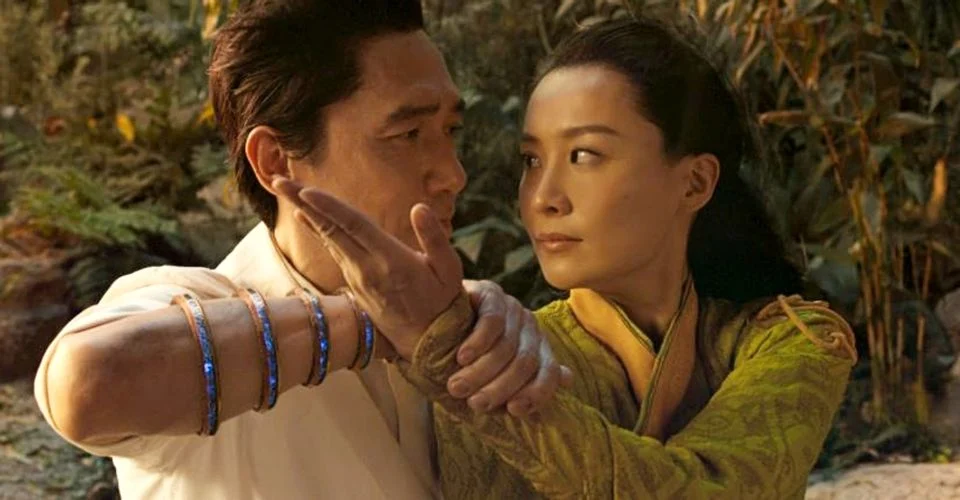
Meanwhile, Wenwu… he isn’t just a villain. He’s a grieving husband whose love has twisted into obsession. He believes he can bring his wife back, and that belief is strong enough to tear the world apart. That’s what makes the conflict hit harder you feel his pain even while fearing his power. Shang-Chi isn’t just fighting his father he’s fighting the future his father wants to chain him to.
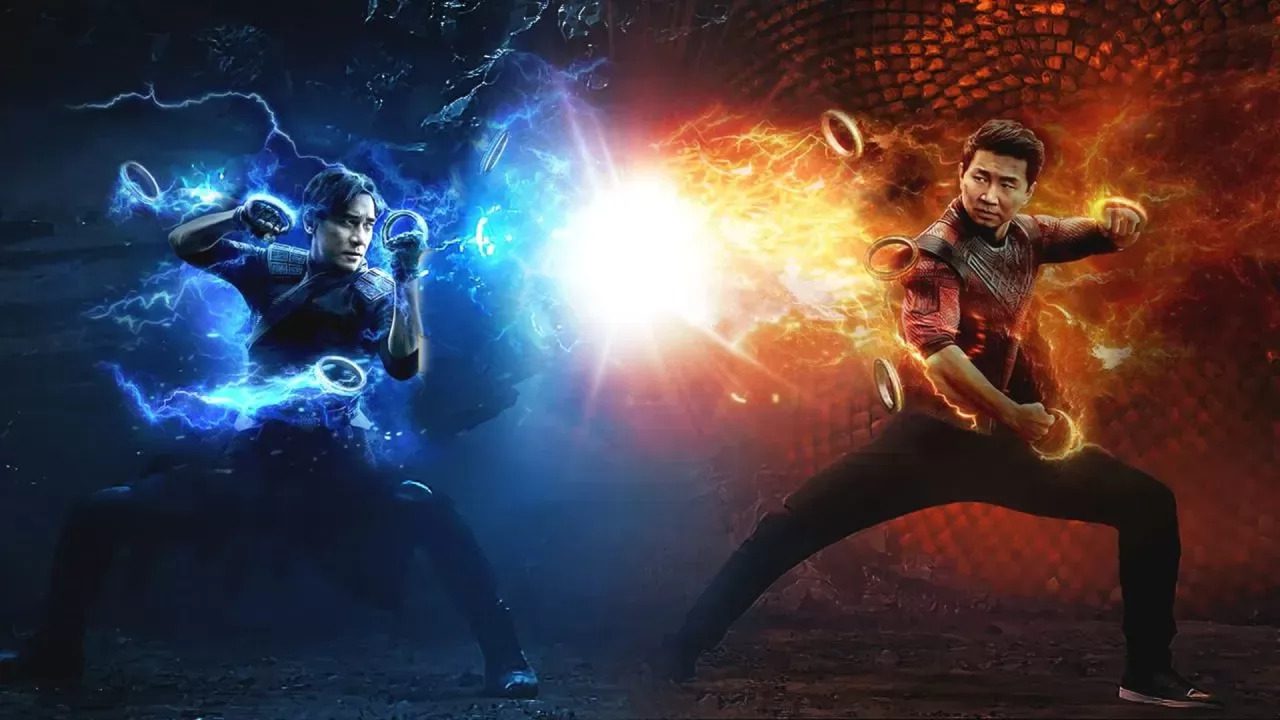
The final act? Pure spectacle. Rings spinning like celestial weapons, dragons soaring, family wounds finally erupting into truth. Through all of it, Shang-Chi discovers that his story isn’t about rejecting his past it’s about claiming every part of it. His mother’s grace. His father’s strength. His own choice to become something new.
In the end, Shang-Chi steps into the light not because he’s forced to be a hero…
but because he decides he’s done running.


Shang-Chi gives martial-arts superhero energy a whole new vibe — legit feels like a fresh breath for MCU
ReplyDeleteLove how the movie mixes Asian heritage supernatural ninja kungfu blockbuster action. It’s chaotic in the best way
ReplyDeleteWatching him fight with kung-fu and mystical rings hits different — it’s like Bruce Lee meets magic
ReplyDeletePlot hits soft: identity, family trauma, legacy… not just another ‘save the world’ flick
ReplyDeleteShang-Chi doesn’t need lasers or flying suits raw fists, discipline, and heritage already enough
ReplyDeleteSometimes fights go full CGI-overload, but when they keep it grounded damn, those choreographies slap.
ReplyDeleteThe conflict between past vs trying to live a normal life hits hard. Classic ‘run away from your trauma, trauma chases you’ energy
ReplyDeleteShang-Chi as a hero with real heritage and real baggage? That’s the kind of representation we need more in big-budget films
ReplyDeleteIf you came for big explosions you’ll get them. But if you stay for the legacy, lore, and soul you’ll leave satisfied
ReplyDeleteBy the end I cared more about what Shang-Chi carried in his heart than the rings on his hands. That’s powerful
ReplyDelete